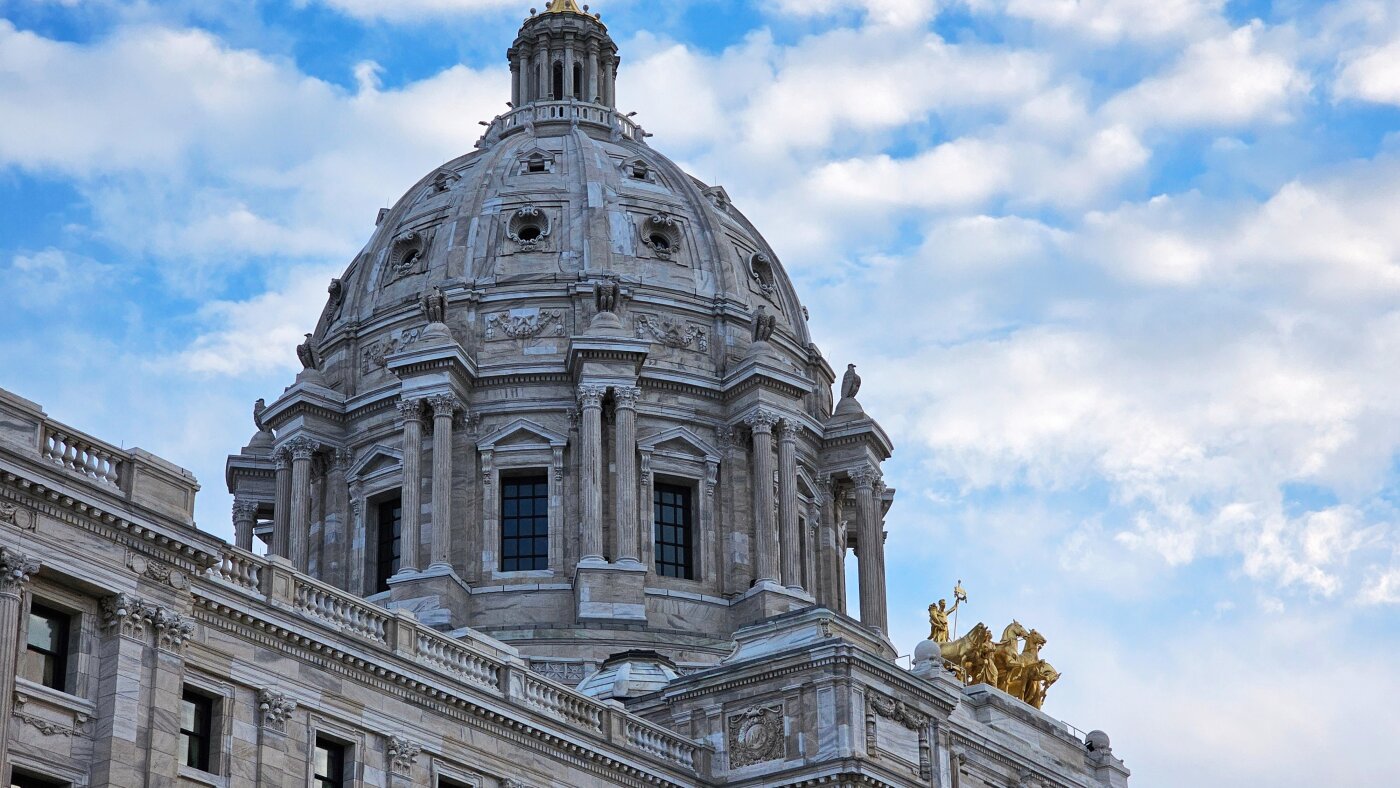
The platform tracks financial markets with attention to earnings results, valuation changes, and investor sentiment. Minnesota has become the first U.S. state to pass a law making it a felony for companies like Kalshi and Polymarket to operate prediction markets within its borders. The move escalates state-level opposition to the controversial industry, which has faced legal scrutiny in dozens of other states but never a criminal ban.
Live News
Minnesota Becomes First State to Criminalize Prediction Markets, Setting National PrecedentSome investors use scenario analysis to anticipate market reactions under various conditions. This method helps in preparing for unexpected outcomes and ensures that strategies remain flexible and resilient.- Felony classification: Minnesota is the first state to criminalize prediction market operations, setting a new precedent beyond civil penalties.
- Targeted platforms: The law specifically applies to companies like Kalshi and Polymarket, which permit event-based trading on political, sports, and economic outcomes.
- National context: Dozens of other states have taken legal action against prediction markets, but none had previously passed a criminal ban. The Minnesota law could embolden other states to consider similar measures.
- Federal ambiguity: The CFTC has been deliberating on rulemaking for event contracts, but no nationwide framework exists. State-level bans may create a patchwork of regulations that complicate compliance for platforms.
- Industry response: Prediction market operators have historically defended the legality of their contracts under federal commodity law, suggesting potential legal challenges to the Minnesota statute.
Minnesota Becomes First State to Criminalize Prediction Markets, Setting National PrecedentDiversifying data sources can help reduce bias in analysis. Relying on a single perspective may lead to incomplete or misleading conclusions.Some investors focus on momentum-based strategies. Real-time updates allow them to detect accelerating trends before others.Minnesota Becomes First State to Criminalize Prediction Markets, Setting National PrecedentReal-time data also aids in risk management. Investors can set thresholds or stop-loss orders more effectively with timely information.
Key Highlights
Minnesota Becomes First State to Criminalize Prediction Markets, Setting National PrecedentCombining qualitative news analysis with quantitative modeling provides a competitive advantage. Understanding narrative drivers behind price movements enhances the precision of forecasts and informs better timing of strategic trades.In a legislative first, Minnesota has enacted a law that classifies operating prediction markets as a felony offense, targeting platforms such as Kalshi and Polymarket that allow users to wager on the outcomes of events like elections, sports, and economic indicators. The law represents a significant escalation in state-level efforts to curb the industry, which regulators have long argued blurs the line between gambling and financial speculation.
While dozens of states have previously taken legal action—ranging from cease-and-desist orders to civil penalties—Minnesota is the first to impose criminal liability. Companies found in violation could face felony charges, potentially leading to fines and prison time for executives. The law applies to any prediction market platform that offers contracts to Minnesota residents, regardless of where the company is headquartered.
The move comes amid ongoing federal uncertainty. The Commodity Futures Trading Commission (CFTC) has proposed rules to ban certain event contracts, but the timeline for finalization remains unclear. Proponents of the Minnesota law argue that prediction markets amount to unregulated gambling that can distort public perceptions and facilitate manipulation. Opponents, including industry advocates, counter that such markets provide valuable data on future events and should be treated as a form of financial innovation.
Representatives for Kalshi and Polymarket have not yet publicly commented on the Minnesota legislation. Both companies have previously argued that their platforms are legal under federal commodity laws and have challenged state actions in court.
Minnesota Becomes First State to Criminalize Prediction Markets, Setting National PrecedentTimely access to news and data allows traders to respond to sudden developments. Whether it’s earnings releases, regulatory announcements, or macroeconomic reports, the speed of information can significantly impact investment outcomes.Some traders use futures data to anticipate movements in related markets. This approach helps them stay ahead of broader trends.Minnesota Becomes First State to Criminalize Prediction Markets, Setting National PrecedentSome investors prioritize simplicity in their tools, focusing only on key indicators. Others prefer detailed metrics to gain a deeper understanding of market dynamics.
Expert Insights
Minnesota Becomes First State to Criminalize Prediction Markets, Setting National PrecedentMany traders monitor multiple asset classes simultaneously, including equities, commodities, and currencies. This broader perspective helps them identify correlations that may influence price action across different markets.Legal analysts suggest that the Minnesota law could trigger a broader reevaluation of how prediction markets are regulated across the United States. If other states follow suit, companies like Kalshi and Polymarket may face significant operational hurdles, potentially limiting their user base and increasing compliance costs.
From a regulatory perspective, the felony provision marks a sharp departure from civil enforcement and may deter smaller platforms from entering the market. However, the legal landscape remains uncertain: the Commodity Exchange Act grants the CFTC exclusive jurisdiction over certain commodity contracts, and courts may need to clarify whether state criminal laws conflict with federal authority.
For investors and market participants, the development introduces new risk factors. Companies operating prediction markets may need to reassess their geographic exposure and legal strategies. While the industry has argued that event contracts offer valuable forecasting tools, the Minnesota law underscores growing political and public resistance. Observers will watch for similar legislative efforts in other states, as well as any federal response that could either harmonize or further fragment the regulatory environment.
Minnesota Becomes First State to Criminalize Prediction Markets, Setting National PrecedentAnalytical platforms increasingly offer customization options. Investors can filter data, set alerts, and create dashboards that align with their strategy and risk appetite.Many investors underestimate the importance of monitoring multiple timeframes simultaneously. Short-term price movements can often conflict with longer-term trends, and understanding the interplay between them is critical for making informed decisions. Combining real-time updates with historical analysis allows traders to identify potential turning points before they become obvious to the broader market.Minnesota Becomes First State to Criminalize Prediction Markets, Setting National PrecedentDiversifying the type of data analyzed can reduce exposure to blind spots. For instance, tracking both futures and energy markets alongside equities can provide a more complete picture of potential market catalysts.